Mark Price
Theatre and Heritage Consultant

  • Home
  • About
  • Case Studies
  • Contact
03330 118883
  • Heritage Advice
  • Heritage Statements
  • Heritage Planning
  • Heritage Recording Reports
  • Heritage Significance
  • 
  • 

Savoy Theatre – Heritage Statement

July 13, 2026 by Mark Price

Supporting the continued evolution of one of London’s most celebrated historic theatres
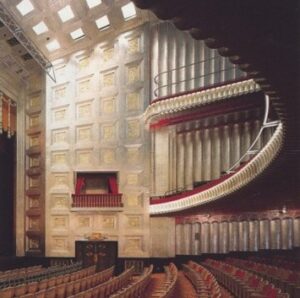
Theatre and Heritage was commissioned to prepare a Heritage Statement in support of a Listed Building Consent application for the installation of discreet rigging points within the Grade II* listed Savoy Theatre in London’s West End. The Heritage Statement proposed technical improvements to accommodate the demands of contemporary theatre production while respecting the building’s exceptional heritage significance.


The report examined the theatre’s architectural and historical development, from its origins as Richard D’Oyly Carte’s pioneering Savoy Theatre of 1881 through its celebrated 1929 Art Deco remodelling by Frank Tugwell and Basil Ionides, to its meticulous restoration following the devastating fire of 1990. The assessment demonstrated why the Savoy is regarded as one of Britain’s finest inter-war theatres and an important component of London’s internationally recognised Theatreland.

A detailed assessment of significance identified the building’s architectural, historic, aesthetic and communal values before considering the impact of the proposed works. The installation of six discreet rigging points beneath the dress circle was carefully assessed against national planning policy, Historic England guidance and Westminster’s heritage policies.

The report concluded that the proposals would preserve the special architectural and historic interest of the listed building. The new installations were designed to be minimal, reversible and colour-matched to the surrounding decorative finishes. These would ensure a good integration with the Art Deco auditorium. Importantly, the works would not affect original historic fabric and would support the theatre’s continued operation as a modern performance venue.

By enabling improved sound and production technology, the scheme delivers significant public benefits while ensuring the long-term viability of this internationally important theatre. The project demonstrates how sensitive heritage-led design can successfully balance conservation with the evolving operational requirements of historic performance spaces.

Working with a historic theatre? Get in touch

Contact Theatre and Heritage for clear, practical advice.

Filed Under: Case Studies, News Tagged With: heritage statement, Listed Building Consent, Savoy Theatre

Locally Listed Building – Heritage Statement

May 5, 2026 by Mark Price

Leicester 

Changing the use of a locally listed historic building demands clarity, confidence and the right expertise. Mark Price, Theatre and Heritage, delivers all three.

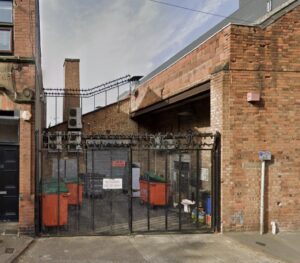
Commissioned to prepare a locally listed building heritage statement for Belgrave Gate in Leicester, Theatre and Heritage supported proposals to transform a locally listed building (non-designated heritage asset) into a mixed-use building. While not statutorily listed, its inclusion on the Local Heritage Asset Register and its prominent position meant that a sensitive and well-justified approach was essential.

The scheme reimagined the former Diamond Jubilee public house, introducing active commercial use at ground and basement levels, alongside four new residential apartments above. The aim: to bring a vacant building back into sustainable use while respecting its historic character.

A focused assessment of the building’s history and significance underpinned the strategy. Heritage Statement for the locally listed building combined detailed historical research with a clear understanding of planning policy. The building’s evolution, from a 19th-century public house to its 20th-century Art Deco form, was carefully assessed to inform the design approach and demonstrate its architectural and cultural significance.

The proposals prioritised retention and enhancement of key features, including the distinctive façade, traditional materials and overall form. Changes were focused on less visible areas, such as the rear and roof, with additions like rooflights and a dormer designed to remain discreet within the streetscape.

Crucially, the locally listed building heritage statement demonstrated that the development would cause no harm to the building’s significance or its setting, and in many respects would enhance it. By restoring and reusing the property, the scheme supports wider regeneration, contributing to the vitality of the local area.

The result was a robust, policy-led justification that enables positive change while safeguarding heritage value.

Working with a locally listed or heritage asset?
Contact Theatre and Heritage for clear, practical advice that helps your project move forward.

Filed Under: Case Studies, News Tagged With: heritage statement, Leicester, locally listed building

Planning success in conservation area

March 24, 2026 by Mark Price

Wandsworth

Supporting change within a conservation area demands more than good design; it requires clear, confident justification. Theatre and Heritage was commissioned to prepare a Heritage Statement to support the replacement of a door and windows at a property in Wandsworth, achieving planning success in a conservation area.

The property and its significance

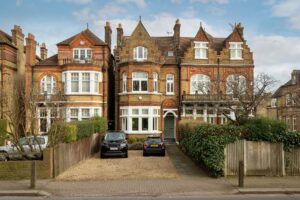
The elegant three storey semi-detached late Victorian townhouse, dating from around 1880, was full of architectural detail and historic character. Built in London stock brick with red brick dressings, it featured a striking ground floor canted bay window with stone mullions and traditional timber casement windows beneath a red clay tiled roof punctuated by tall chimneys. The property made a strong visual and historic contribution to its streetscape, reinforcing the distinctive character of the area and forming an important part of the local heritage.

Located within the Wandsworth Common Conservation Area, any proposed alteration required a sensitive, policy-led approach. The challenge was to demonstrate that the changes would respect the building itself while also preserving and enhancing the wider character and appearance of the area.

Planning success

Theatre and Heritage delivered a clear and robust Heritage Statement, combining a detailed assessment of the building’s architectural and historic significance with a comprehensive understanding of national guidance, the Council’s adopted Local Plan, and the Wandsworth Common Conservation Area Management Strategy. Every element of the proposal was tested against these policies to ensure a defensible, well-supported justification.

The result secured planning success in a conservation area, demonstrating that the replacement door and windows would cause no harm while maintaining the building’s architectural integrity. This project highlights how thoughtful analysis and expert heritage advice can unlock sensitive change in historic environments.

Contact us

If you require support with a Heritage Statement or advice on works within a conservation area or listed building, please get in touch. Theatre and Heritage provides clear, practical guidance to help you achieve successful, policy-compliant outcomes.

Filed Under: Case Studies, News Tagged With: conservation area, heritage statement, windows

Side extension, conservation area

January 4, 2026 by Mark Price

Oxfordshire

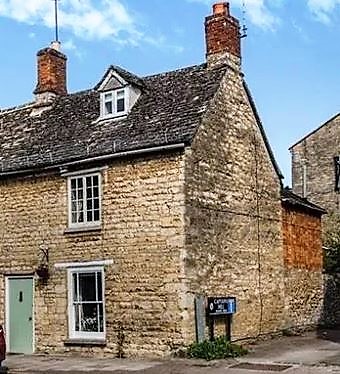
Mark Price, Theatre and Heritage Consultant, was commissioned to prepare a Heritage Statement in support of a proposed side extension in the Wootton Conservation Area. While the house is not statutorily or locally listed, its location within a well-preserved conservation area required a sensitive approach and justification.
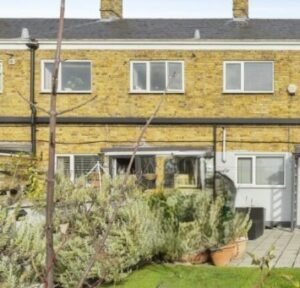
The proposal involved a ground-floor side extension to create a new dining area off the existing lounge, allowing the property to function more effectively as a family home. The design was shaped to follow the existing form of the building and positioned in an area where there was an existing lean-to conservatory.

Mark undertook detailed historical research and established that a number of historic structures once stood on or adjacent to the site. These earlier buildings formed part of the historic development of the plot. The knowledge that such buildings once existed added value to the proposals.

The side extension was designed in coursed limestone to match the original fabric, ensuring a seamless relationship with the host property. A more contemporary treatment was proposed for the gable end. However, this approach reflected similar oak-framed extensions already present locally. With the intention that the structure be set to the side and well back from the road, Mark was able to prove that the proposals were not prominently visible in public views and preserved the character of the building and the conservation area.

The setting of the property was central to the assessment. Both the side and front gardens made a positive contribution to significance, and the proposal retains the verdant garden setting and spatial qualities of the site. No harm would result to the established setting..

A clear assessment and statement of significance demonstrated that the side extension accorded with West Oxfordshire Local Plan policy. The Heritage Statement provided a robust justification for the works, enabling the proposal to be supported.

Planning work in a conservation area?
Contact Mark Price, Heritage Consultant, for clear, practical advice that helps your project move forward.

Filed Under: Case Studies, News Tagged With: conservation area, extension, heritage statement

Heritage Statement, Conservation Area

December 1, 2025 by Mark Price

Loft Conversion, Poplar, Tower Hamlets

Lansbury Conservation Area

Mark Price, Theatre and Heritage Consultant, was commissioned to provide specialist heritage advice and prepare a conservation area heritage statement to support a loft conversion in the Lansbury Conservation Area, Tower Hamlets. Although the property is not listed, its location within a highly intact historic environment meant any alterations needed a sensitive, well-justified approach.

The homeowners planned to convert the loft to create additional family living space. To make the new rooms practical and comfortable, natural light was essential. The design introduced three conservation-style rooflights on the rear roof slope. Their low-profile, black powder-coated frames were chosen for their discreet appearance and minimal visual impact. The rear elevation was selected as the most suitable location because it is hidden from public viewpoints and does not contribute to the building’s principal façade. This decision formed an important part of the conservation area heritage statement, helping to demonstrate that the visual character of the area would be preserved.

Mark carried out a detailed heritage assessment to understand the building’s architectural qualities, its setting and its contribution to the wider conservation area. He reviewed the historic development of the Lansbury estate and the area’s post-war planning significance. This analysis ensured that the size and placement of the proposed rooflights remained proportionate and appropriate.

The conservation area heritage statement brought these findings together in a statement of significance offering a clear and robust justification for the works. It explained how the proposal respected the conservation area’s historic qualities while allowing the homeowners to improve the functionality of their property. The document also set out relevant Tower Hamlets Local Plan policies and showed how the design met key requirements for conservation-led development.

Overall, the project allowed the homeowners to enhance their living space while ensuring that the character and appearance of the Lansbury Conservation Area remained fully protected. The conservation area heritage statement played a central role in demonstrating that the proposals were sensitive, well considered and aligned with local policy.

Need heritage support for your project?

Please contact Mark Price, Heritage Consultant.

Filed Under: Case Studies, News Tagged With: conservation area, heritage consultancy, heritage statement

Flue, Conservation Area

November 2, 2025 by Mark Price

Leicester

Mark Price Theatre and Heritage Consultant was asked to provide a Heritage Statement in support of an installation of a new flue. The property was located in the South Highfields Conservation Area but was not locally or statutory listed.

A new flue was required as part of a change of use to a restaurant.

Flue, Leicester The proposal involved installing a new flue extraction system to provide ventilation to remove fumes and safely redirect them elsewhere. Consideration was given to the best place to locate the kitchen as well as the new flue. The location, to the rear of the premises, was considered not only efficient for the functioning restaurant but also provided the least harm to the conservation area.
Supporting such alterations to properties in conservation areas requires careful research, consideration and justification. An assessment and statement of significance which included the setting was provided. The proposed flue would be located to the rear of the premises, on part of the building which was identified to be of limited architectural and historical significance. It would not be seen at all from the frontage, a main thoroughfare, given the high parapet and the setback location.

Mitigation measures were considered such as an alternative location, but these were thought more harmful to the conservation area. It was also the best location for continued maintenance. An existing brick chimney could not be utilised.

Thus, the alterations proposed had due regard for what it is that makes the building special and significant yet helping to make the unit suitable and usable. The report was able to confirm that the proposals did not harm the significance of the building or the character and appearance of the South Highfields Green Conservation Area.

A Heritage Statement was provided that adhered to Leicester City Council’s Core strategy.

Contact Mark Price, Heritage Consultant, if you would like help with a similar heritage project.

Filed Under: Case Studies, News Tagged With: conservation area, flue, heritage statement

Next Page »

Mark’s knowledge & passion for the architecture and heritage of theatres, allied with his in-depth knowledge of the planning system, was invaluable.

— Rebecca Morland, Theatres Adviser, Theatres Trust

About

Theatre and Heritage is an independent consultancy led by Mark Price, an experienced built heritage specialist working across London and the UK.

The practice specialises in the preparation of Rapid Heritage Statements, with straightforward reports often delivered within just 5 days—helping you keep your project moving without delay.

The consultancy advises on all types of heritage assets, including listed buildings, historic structures and conservation area proposals. Whether you are planning alterations, extensions, restoration or new development, Theatre and Heritage provides clear, practical advice to help you achieve successful outcomes in sensitive historic contexts.

Mark has a strong track record in both local authority and private practice, offering valuable insight into how decisions are made and how to secure approvals efficiently.

Recognised as a leading expert in theatre and cinema architecture, the consultancy also specialises in advising on theatres and cultural buildings, helping venues navigate heritage constraints and ensuring they are adapted to remain fit for purpose.

Get in touch to discuss how Theatre and Heritage can support your project.

Gallery

Image
image
Belvoir Castle
Image
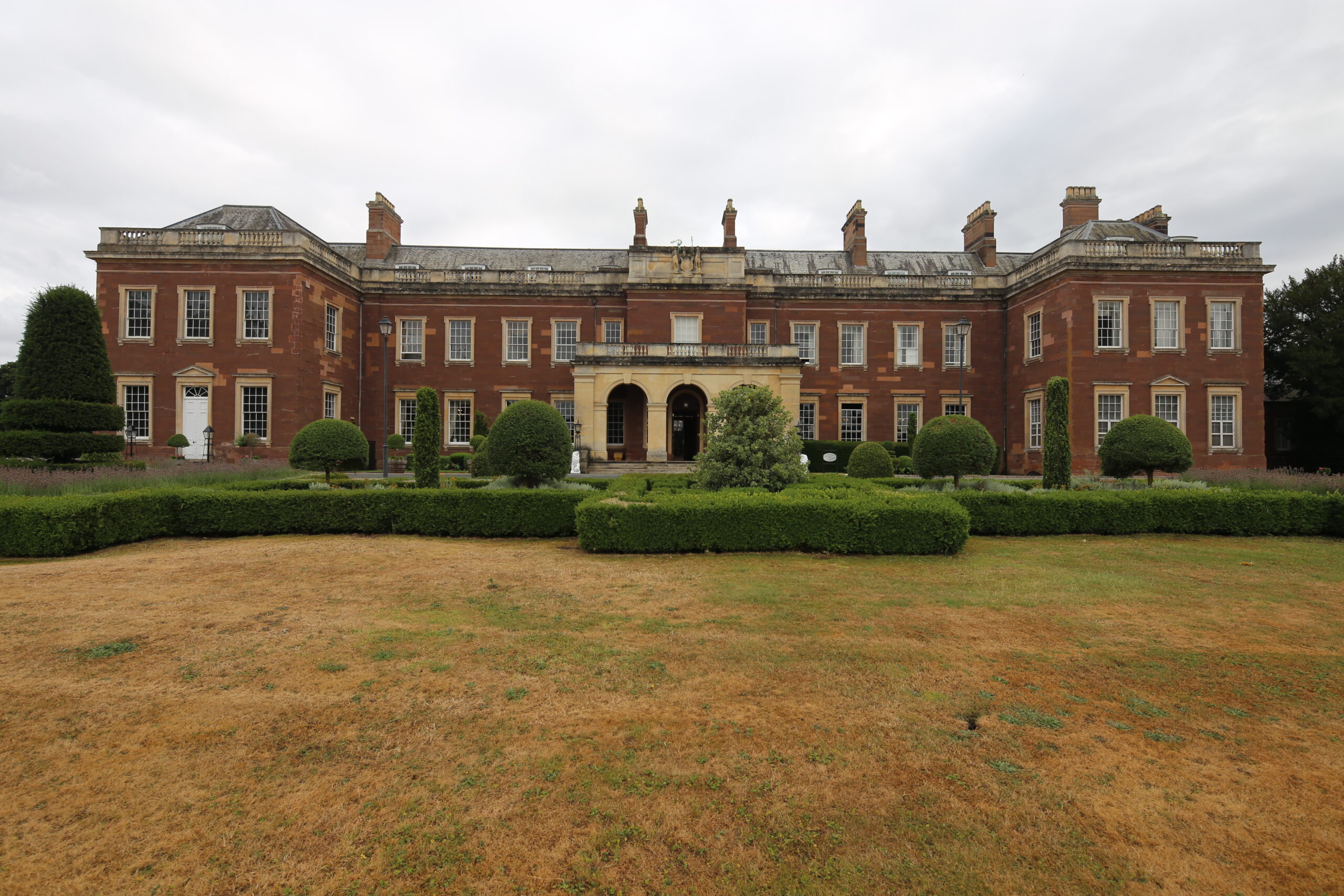
Holme Lacy

News

Savoy Theatre – Heritage Statement

July 13, 2026

Locally Listed Building – Heritage Statement

May 5, 2026

© 2026 Mark Price Theatre and Heritage
  • Accessibility
  • Legal
  • Privacy
  • Sitemap
hosted by Tortilla Hosting